
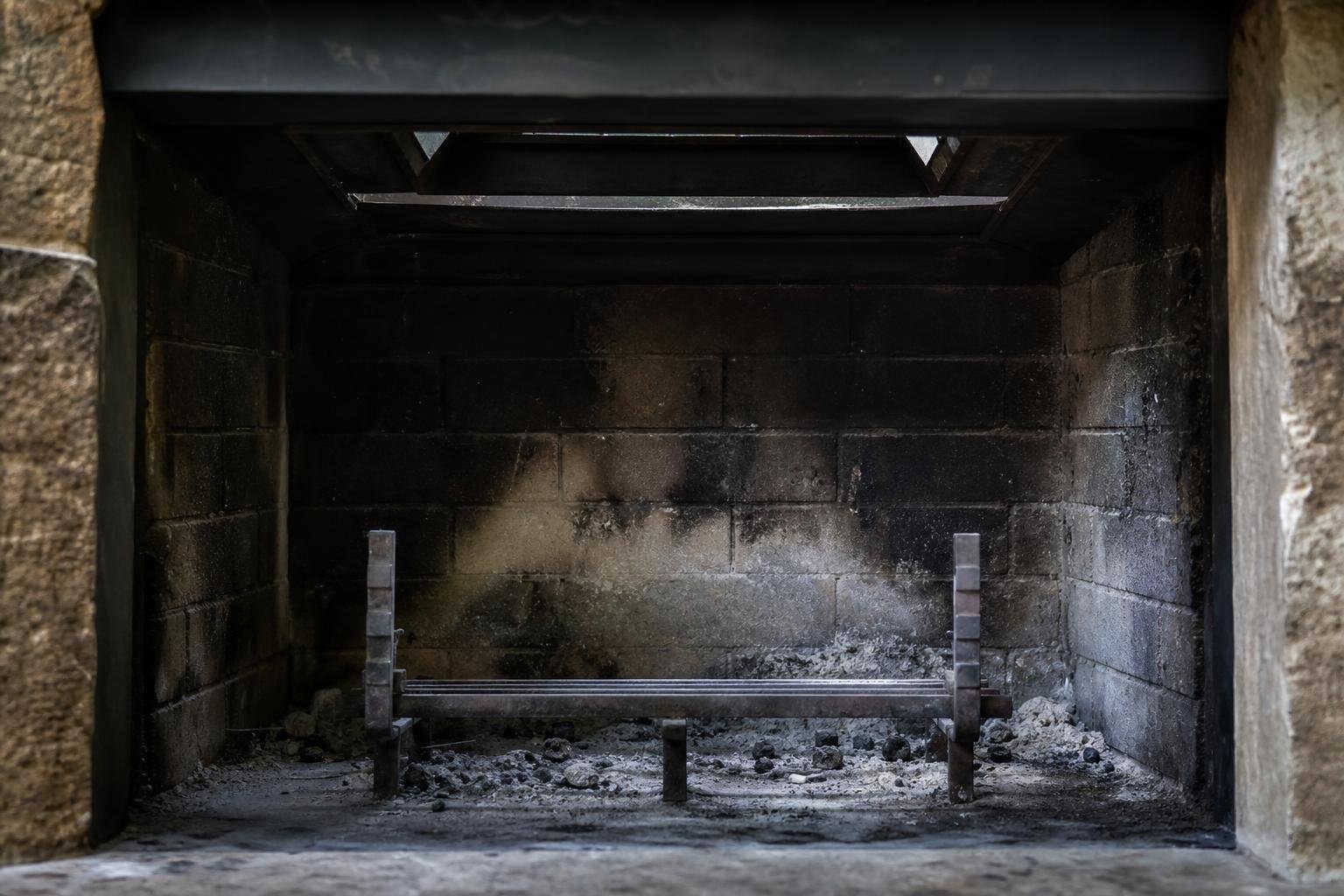
Quick AnswerA musty, smoky smell that’s stronger in humid weather is almost always creosote residue reacting with moisture in the flue — a normal, low-urgency issue that a routine cleaning clears up. If the smell is sharp or decay-like instead, it may point to an animal, and that’s worth a closer look sooner.
Likely Causes
- Creosote residue on the flue walls — releases a stronger, sourer odor especially in humid weather.
- Trapped moisture or condensation in the flue — damp masonry and metal parts can develop a musty, basement-like smell.
- An open damper — lets outside air, and whatever it’s carrying, travel straight down into the room.
- Animal droppings or a dead animal in the flue — produces a sharper, decay-like smell rather than the usual smoky note.
- Leaves and debris fallen in without a cap — decompose slowly inside the flue and add a musty, earthy odor.
How Urgent Is This?
A fireplace smell on its own is generally a low-urgency, comfort issue rather than a safety one — it doesn’t typically mean something is actively wrong the way active smoke or water intrusion does. That said, it's a useful early signal: it usually means creosote has built up, moisture is sitting in the flue, or something has gotten in through an open or missing cap, all of which are worth addressing at your next scheduled cleaning before they turn into a bigger draft or fire-risk problem.
What to Do Right Now
- Close the damper when the fireplace isn’t in use to block outside odors and drafts
- Place a shallow container of baking soda or activated charcoal in the firebox to absorb odor
- Shine a flashlight up the flue to check for obvious debris, nesting material, or blockage
- Schedule a cleaning and inspection, especially if it’s been a year or more since the last one
Fireplace Smell in Minneapolis, MN: What Minneapolis-Area Homeowners Should Know
Twin Cities winters bring deep cold and dozens of freeze-thaw cycles every year, which is especially punishing on brick, mortar and chimney crowns. Odors usually get worse in humid weather and when the air conditioning pulls air down the flue, so many homeowners first notice them in summer.
The Chimney Sweeper’s Minneapolis team serves Minneapolis, plus St. Paul, Bloomington, Edina, Minnetonka, Maple Grove, Woodbury, Eagan, Roseville, Richfield and St. Louis Park. Call (612) 230-1063 for a free visual inspection and a written flat-fee estimate. You can also see our Minneapolis service area.
FAQs
Humidity is the culprit. Creosote residue on the flue walls absorbs moisture from humid summer air, and that moisture reacts with the creosote to release a stronger, more sour odor than you’d notice in drier winter conditions, even though the buildup itself hasn’t changed.
Keeping the damper closed when the fireplace isn’t in use blocks outside air and odors from traveling down the flue, and a shallow container of baking soda or activated charcoal in the firebox can absorb odor between cleanings. These are temporary measures, though, and won’t remove the underlying creosote or moisture causing the smell.
It’s possible, especially if the odor is a sharp, decay-like smell rather than the usual musty or smoky note. That combination points to droppings or a dead animal in the flue, and it’s worth having a professional check and, if needed, install a cap to prevent it from happening again.
Yes. The Chimney Sweeper’s Minneapolis team serves Minneapolis, plus St. Paul, Bloomington, Edina, Minnetonka, Maple Grove, Woodbury, Eagan, Roseville, Richfield and St. Louis Park. Every visit starts with a free visual inspection and a written flat-fee estimate before any repair work is approved. Call (612) 230-1063 to book.
Minneapolis-area homes see the most trouble from October through April, so the best time to act is before then. Schedule a sweep and a moisture check before heating season, since odors tend to get stronger when the house is sealed up and the fireplace is not in use.