
Quick AnswerGet your chimney inspected at least once a year, regardless of how much you burned. Whether it also needs a sweep depends on what that inspection finds — industry guidance calls for cleaning once soot and creosote buildup reaches about 1/8 inch, which can happen faster or slower depending on how you use your fireplace.
The Standard: One Inspection a Year, No Exceptions
The National Fire Protection Association (NFPA) recommends at least one chimney inspection every year, even if you barely used the fireplace. That standard applies whether you burned wood every weekend or didn’t light a single fire — because it’s not just about soot. An annual inspection also catches weather damage, animal intrusion, cracked flue tiles, and deteriorating mortar joints that have nothing to do with usage, which matters given how much freeze-thaw cycling Cincinnati chimneys go through each winter.
Inspection vs. Sweep: They’re Not the Same Appointment
This is the part that trips people up. An inspection and a sweep get lumped together in conversation, but they answer two different questions.
- An inspection is a visual check of the flue, firebox, damper, and (where accessible) the chimney exterior. It tells you whether anything needs cleaning or repair. You get this every year, period.
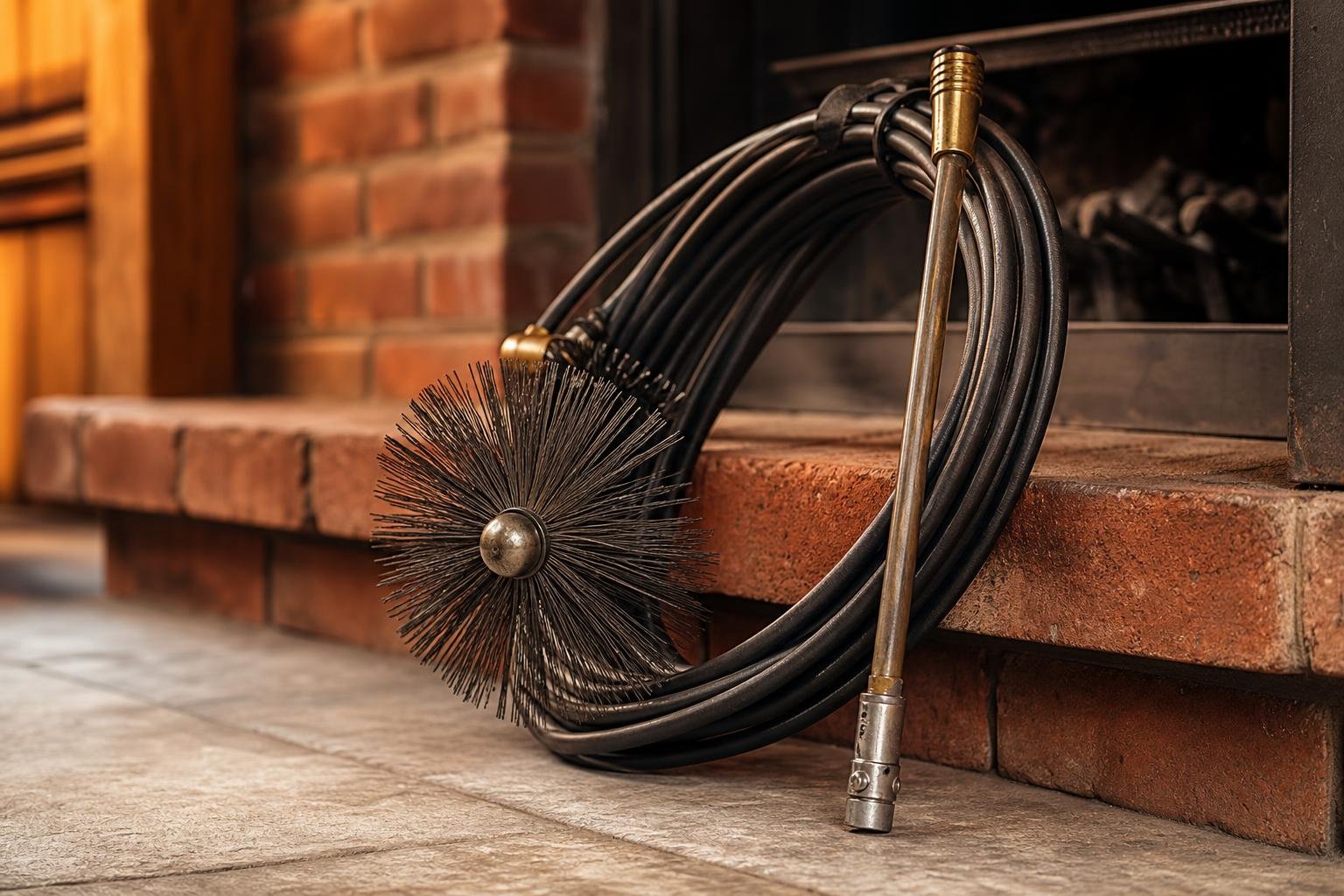
- A sweep is the physical cleaning — brushing creosote and soot out of the flue. Industry guidance points to roughly 1/8 inch of buildup as the threshold where sweeping becomes necessary. Below that, cleaning usually isn’t required yet.
In practice, that means a light-use fireplace might get inspected every year but only actually swept every couple of years, while a heavily used one could need sweeping at every single annual visit — or more often.
Factors That Push You Toward More Frequent Sweeping
How often creosote builds up to that 1/8-inch threshold depends almost entirely on how the fireplace gets used. A few patterns matter more than others.
How Much You Burn
A fireplace lit for ambiance a handful of weekends each winter accumulates creosote far more slowly than one used nightly as a heat source through a full Ohio cold season. Frequency and duration of burns both matter.
What Kind of Wood You Burn
Unseasoned or wet wood burns cooler and less completely, which produces more smoke and more creosote per fire. Well-seasoned hardwood, split and dried for at least six months to a year, burns hotter and cleaner, which slows buildup considerably.
Heat Source vs. Occasional Use
Fireplaces used for supplemental heat — long, slow, damped-down burns meant to hold heat rather than just look nice — tend to produce more creosote than short, hot decorative fires, since a slower burn means cooler flue gases that condense more readily into creosote on the liner walls.
Gas Fireplaces and Inserts
Gas appliances produce dramatically less soot than wood, but "less maintenance" doesn’t mean "no maintenance." They still need an annual inspection to check for blocked venting, corrosion, and proper pilot or igniter function — issues that affect safety and performance independent of creosote.
Book Your Annual Sweep & Inspection
How to Know Where You Stand
If you’re not sure whether it’s been a year, or whether last season’s heavy burning means you’re due sooner, the honest answer is that most homeowners can’t judge creosote thickness accurately by eye — buildup often accumulates higher in the flue than you can see from the firebox. That’s the whole reason the annual inspection exists: it’s a quick, low-cost way to find out definitively rather than guess.
FAQs
No. An inspection is a visual check of your flue, firebox, and damper to see whether cleaning or repairs are needed. A sweep is the actual physical cleaning of the flue. You get an inspection every year regardless; you only need a sweep when the inspection turns up enough buildup to warrant it.
Yes. Gas appliances produce far less creosote than wood, but the annual visit checks for blocked venting, corrosion, and proper pilot or igniter function, all of which affect safety independent of soot buildup.
It’s difficult to judge accurately from the firebox alone, since buildup often accumulates higher in the flue where you can’t see it. A technician uses a flashlight and inspection tools to check the full length of the flue, which is why the annual inspection matters even if things look fine from below.