
Quick AnswerChimney fires are almost always fueled by creosote that has built up inside the flue over time. If you see flames, thick smoke, or hear a roaring sound coming from the chimney right now, call 911 immediately. If you think one already happened, hold off on using the fireplace until a professionally trained technician completes a Level 2 inspection.
Likely Causes
- Creosote buildup igniting inside the flue — this flammable residue collects from previous fires and catches once it reaches a high enough temperature.
- Loud cracking or popping noises from the chimney — a telltale sign that a fire is currently burning inside the flue.
- A loud, freight-train-like roar — rapidly burning creosote produces intense heat and a surge of draft inside the chimney.
- Heavy black smoke or visible flames at the chimney top — if you can see this from outside, an active chimney fire is underway.
- Warped metal parts or scorched roofing near the chimney — evidence that a fire already burned hot enough to bend metal or damage nearby shingles, even if it went unnoticed.
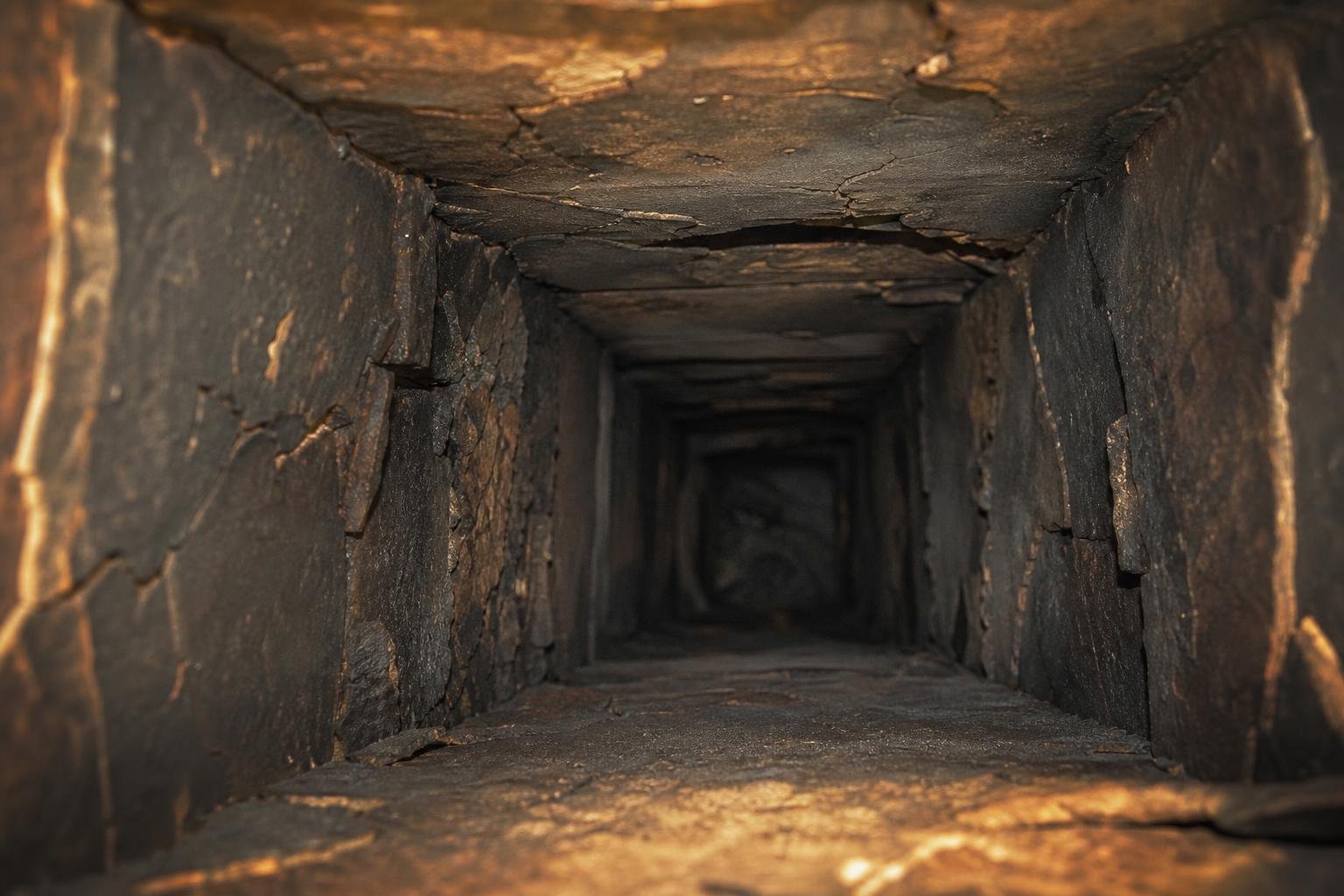
- Cracked, discolored flue tiles or puffy, honeycombed creosote — findings a technician often uncovers during inspection that point to a past fire nobody caught at the time.
How Urgent Is This?
A chimney fire is a high-urgency safety event whether it’s happening now or already happened. An active fire can push heat and sparks into the surrounding structure within minutes, and even a small fire that’s quickly contained can crack flue tiles or warp the liner in ways that aren’t visible from inside the house. Those hidden cracks open a path for extreme heat and sparks to reach nearby wood framing the next time a fire is lit, which is why every suspected chimney fire — large or small — is treated as urgent.
What to Do Right Now
- If a fire is actively burning, call 911 right away — don’t wait to see if it dies down on its own
- Get everyone out of the house, and close the damper only if you can reach it safely to help starve the fire of oxygen
- Never throw water on a chimney fire in progress — the sudden temperature shock can crack the flue tiles
- Book a Level 2 inspection before lighting another fire — required after any suspected chimney fire, no matter how minor
FAQs
Yes. Standard chimney safety practice calls for a Level 2 inspection after any chimney fire, regardless of how small it was or how quickly it went out. Even a brief flare-up can crack flue tiles or warp metal parts in ways you can’t see just by looking into the firebox.
An unnoticed chimney fire often leaves warped metal components, cracked or discolored flue tiles, scorched roofing near the chimney, or creosote that looks puffy and honeycombed instead of flat and glossy. A technician can spot these clues during a routine inspection even if nothing seemed unusual at the time.
Not until a professionally trained technician completes a Level 2 inspection and confirms the flue is structurally sound. Lighting another fire before that check risks sending heat and sparks through a damaged liner and into nearby combustible framing.