
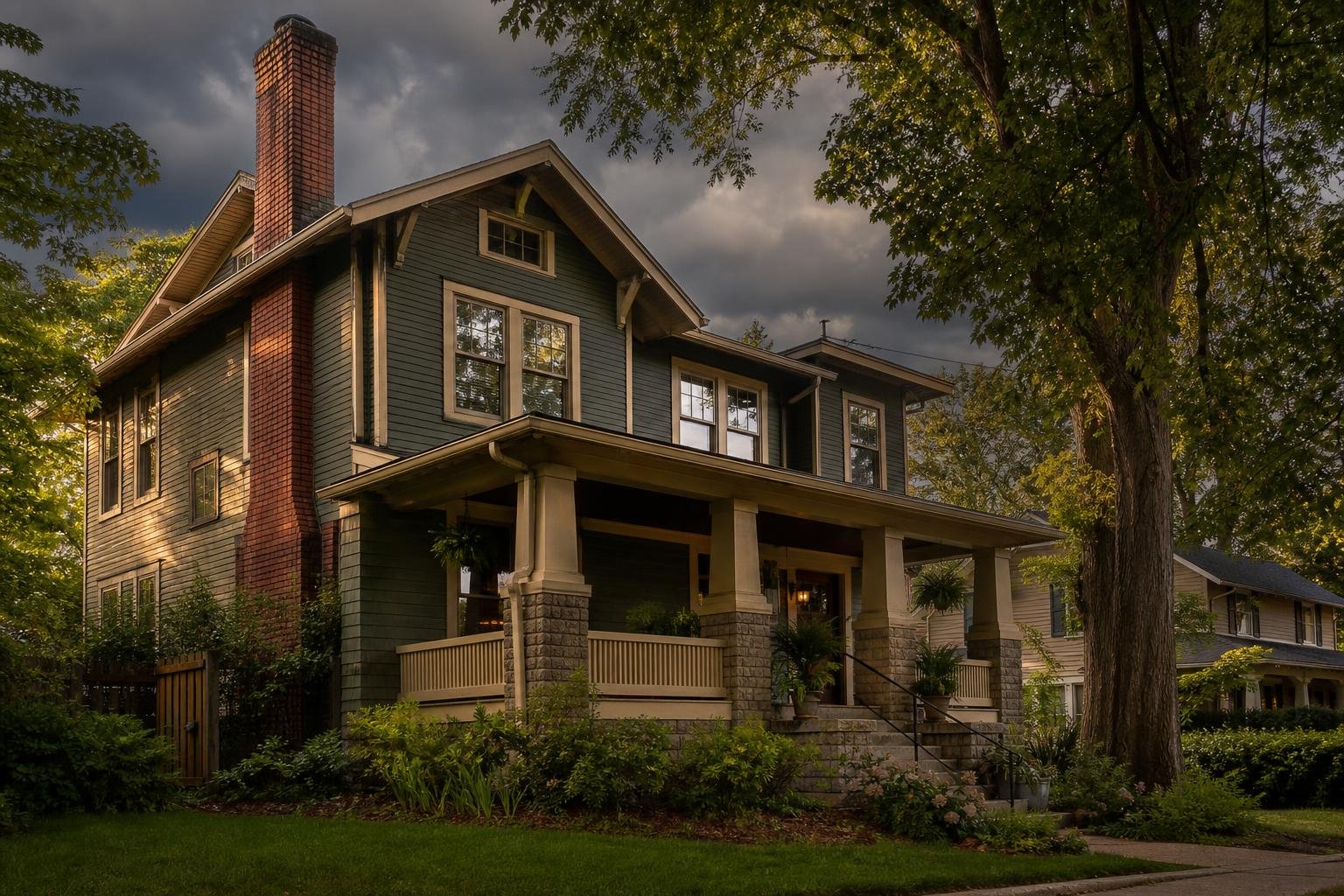
Quick AnswerMiddle Tennessee's humid summers and freeze-thaw winters let moisture soak into masonry and then crack it apart as it freezes and expands — and Nashville's older housing stock, much of it 30 to 80+ years old, has had decades for that cycle to do damage. The result is more efflorescence, spalling brick, and cracked crowns here than you'd see in a drier or more uniformly cold climate.
Middle Tennessee's Climate Is Harder on Masonry Than It Looks
Nashville doesn’t get brutally cold, but that’s actually part of the problem. Our winters bounce back and forth across the freezing line instead of staying reliably below it, and combined with genuinely humid summers, that’s a near-perfect setup for freeze-thaw damage:
- Summer humidity soaks in. Brick and mortar are porous, and Middle Tennessee's humidity gives them plenty of moisture to absorb over a long, wet summer.
- Winter freeze-thaw cycles do the damage. That absorbed water expands when it freezes, then contracts when it thaws — and because Nashville swings above and below freezing repeatedly each winter instead of just once, masonry here goes through more expansion cycles than it would somewhere with one long, steady freeze.
- It shows up as cracking, not collapsing. Spalling brick faces, hairline crown cracks, and white efflorescence staining are the visible early signs — small on their own, but they compound if left unaddressed.
Nashville's Older Homes Bring Their Own Chimney Risks
On top of the climate, a large share of Nashville's housing stock is old enough that the chimney itself is a liability by age alone. Historic neighborhoods like Belle Meade, East Nashville, Germantown, and Hillsboro Village have plenty of homes built well before modern liner and flashing standards existed, while newer construction further out in Mt. Juliet, Spring Hill, and Nolensville generally has younger masonry with fewer inherited problems — though it's not immune if it skips regular sweeps.
An older chimney built decades ago was often built to the codes and materials of its time, which means it may have a thinner liner, no cap at all, or mortar that's simply reached the end of its usable life. None of that is a crisis by itself, but it means an older Nashville chimney has less margin to absorb the freeze-thaw stress the local climate puts on it every single year.
The Most Common Weather-Driven Problems We See in Nashville
- White staining (efflorescence). A telltale sign that moisture is moving through the masonry and depositing mineral salts on the surface as it evaporates.
- Cracked or spalling brick. Brick faces popping off or crumbling is freeze-thaw damage in progress, not just cosmetic wear.
- Chimney leaks. Often traced to a cracked crown, missing cap, or degraded flashing — all more common on older chimneys that have weathered more of these cycles.
See Our Nashville Service Area
How to Protect an Older Chimney From Nashville Weather
The fixes here are inexpensive relative to the damage they prevent. A proper cap keeps rain out of the flue entirely. A sealed, crack-free crown keeps water from soaking into the masonry in the first place. And an annual inspection catches spalling, efflorescence, or a hairline crack while it's still a quick repair, well before it turns into a full rebuild. For a chimney that's already 30, 50, or 80+ years old, staying ahead of the climate is a lot cheaper than catching up to it.
FAQs
Yes. Middle Tennessee's humid summers let masonry absorb moisture, and freeze-thaw swings in winter make that trapped water expand and contract, which is what actually cracks brick, mortar, and chimney crowns over time — more than the cold itself.
We see the most repair calls on chimneys 30 to 80+ years old, common in neighborhoods like Belle Meade, East Nashville, Germantown, and Hillsboro Village, though even newer chimneys can develop issues without regular sweeps and inspections.
Industry guidelines recommend an annual inspection for any chimney in regular use, and we'd say that's the floor, not the ceiling, for a Nashville home built before the 1990s — older masonry and older liners have less margin for the freeze-thaw stress our climate puts on them.