
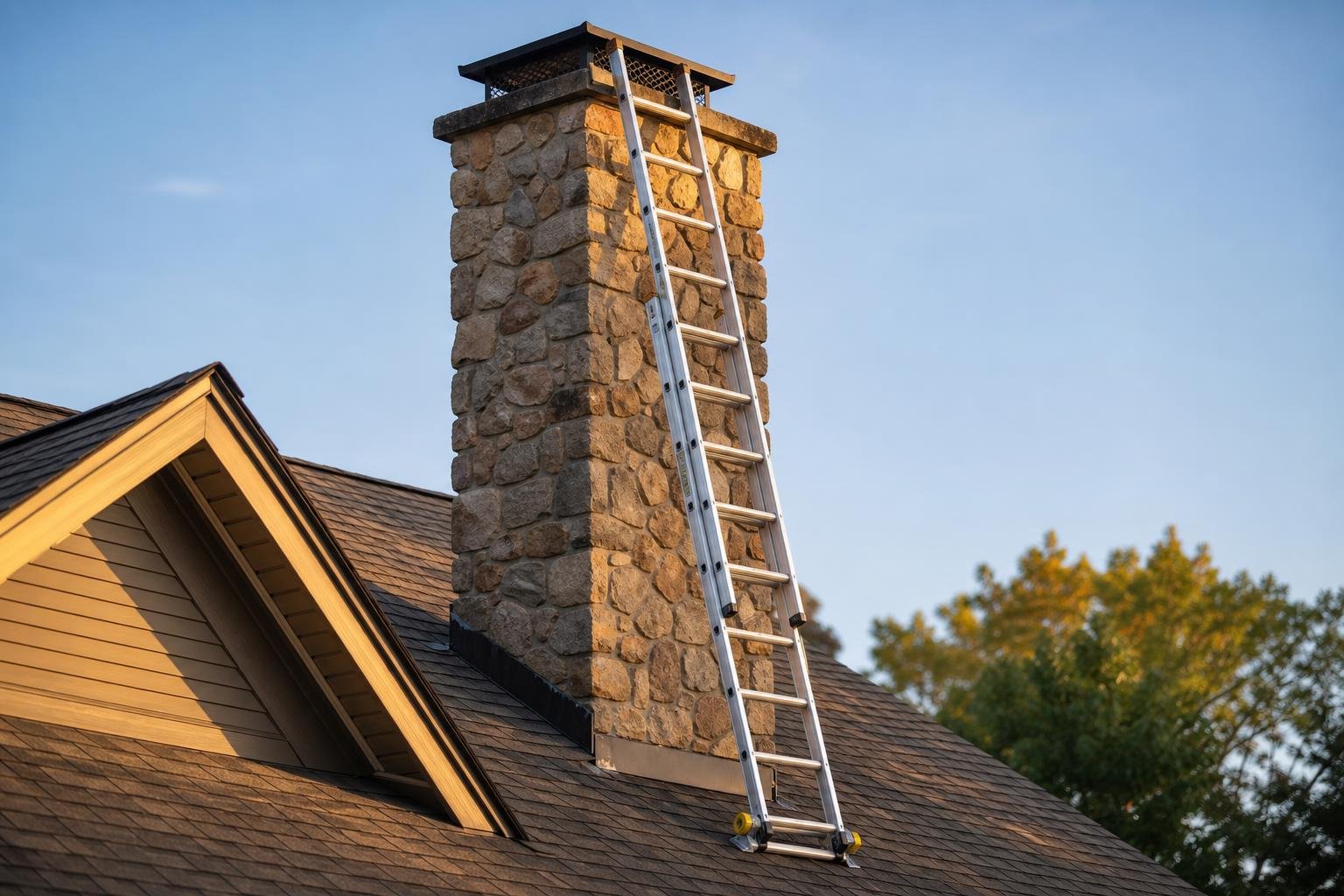
Quick AnswerEvery homeowner with a working fireplace, wood stove, or gas appliance vented through a chimney should get a Level 1 inspection once a year, ideally before burning season starts in the fall. Home buyers, sellers, and anyone who just had a chimney fire or changed appliances needs a Level 2 inspection instead. We tell you which one applies before we ever charge you for anything.
What’s Included
Every inspection we perform follows the three-level system defined by the NFPA 211, the national fire code that governs chimney and vent inspections. The level you need depends on your situation, not on what generates the biggest invoice — we’ll tell you honestly which one applies before we schedule anything.
- Level 1 Inspection — our routine annual checkup, covering all readily accessible portions of the chimney, flue, and connections. Our technician visually checks the interior flue lining, the firebox, the damper, and the exterior masonry from the ground and roofline, and confirms the chimney is structurally sound and free of obstruction. Most Level 1 inspections take 30–45 minutes and are the right call if your chimney has had no changes and is used under normal conditions.
- Level 2 Inspection — a more thorough evaluation required any time a home is bought or sold, after a chimney fire, after severe weather or an earthquake, or whenever you switch fuel type or swap in a new appliance. It includes everything in a Level 1 plus a full video camera scan of the flue interior and inspection of accessible attic, basement, and crawlspace areas connected to the chimney system. Expect an hour to 90 minutes on site.
- Level 3 Inspection — reserved for cases where a Level 1 or 2 turns up evidence of a suspected hidden hazard, such as a serious structural issue behind a wall or a possible flue liner failure. It can require removing sections of masonry, drywall, or chimney components to physically confirm what the camera or visual check couldn’t. We always walk you through the reasoning and provide a written estimate before any invasive work begins.
- Video Camera Inspection — a high-resolution camera on a flexible rod travels the full length of your flue, letting our technician see cracks, gaps, creosote glazing, and blockages that are invisible from the top or bottom. We can show you the live footage on a monitor and, if you’d like, provide recorded clips as documentation for insurance or real estate purposes.
- Pre-Purchase Inspection — a Level 2 inspection scoped specifically for real estate transactions, giving buyers and sellers a documented, unbiased picture of the chimney’s condition before closing. We provide a written report you can share with your realtor, inspector, or the other party, so nothing about the chimney’s condition is a surprise after move-in.
Signs You Need This
- It’s been more than a year since your last inspection, especially heading into Nashville’s first cold snap of the season
- Smoke is backing up into the room when you light a fire — often a sign of a blockage or draft issue an inspection can pinpoint
- You’re buying or selling a home with a wood-burning or gas fireplace and need documentation of its condition
- You notice the chimney leaning, separating from the house, or shifting at the roofline, which points to a possible structural issue below the surface
- You just had a chimney fire, storm damage, or switched from wood to gas and need code-required confirmation the system is safe to use
Our Process

Tell Us Your Situation
A quick phone call or online request tells us whether you need a routine Level 1 or a situation-specific Level 2 inspection.
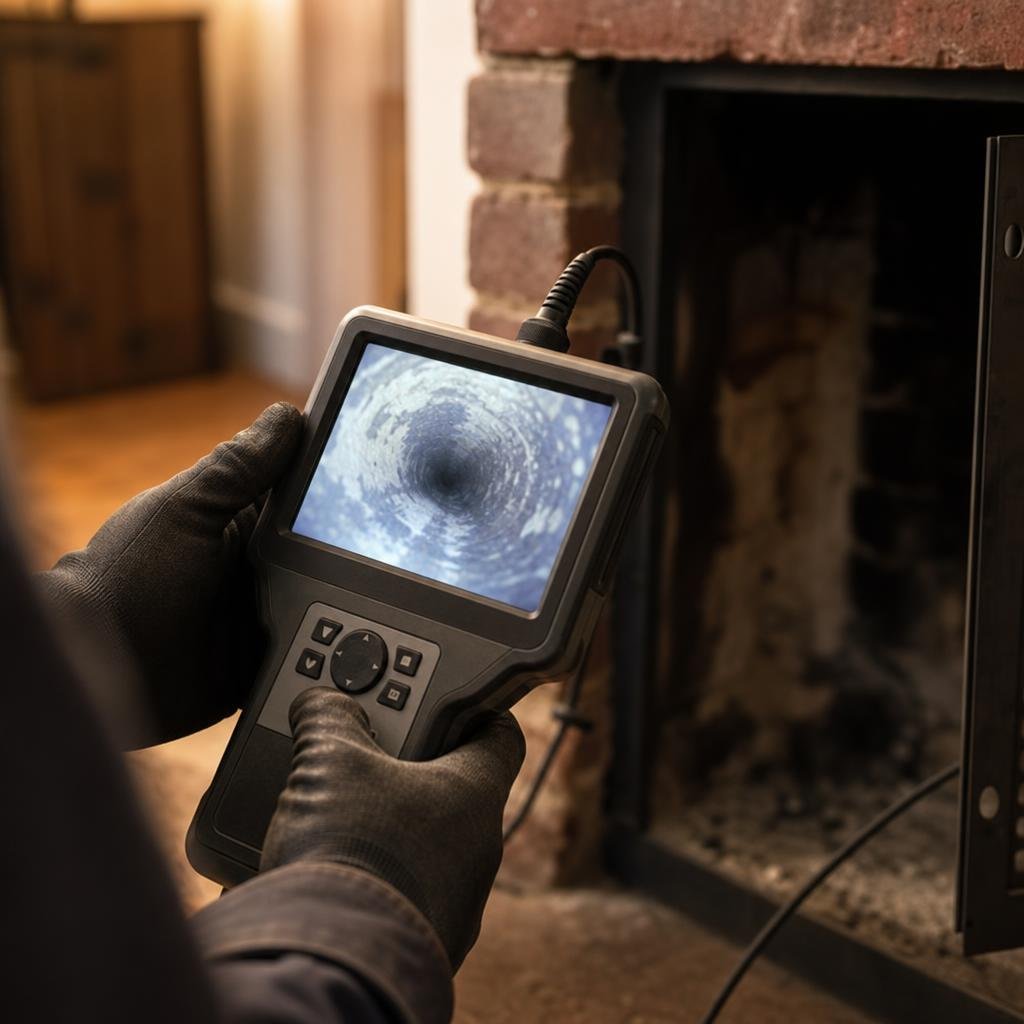
On-Site Visual & Camera Check
Our professionally trained technician examines the firebox, flue, damper, and exterior masonry, using a video camera scan when the level calls for it.
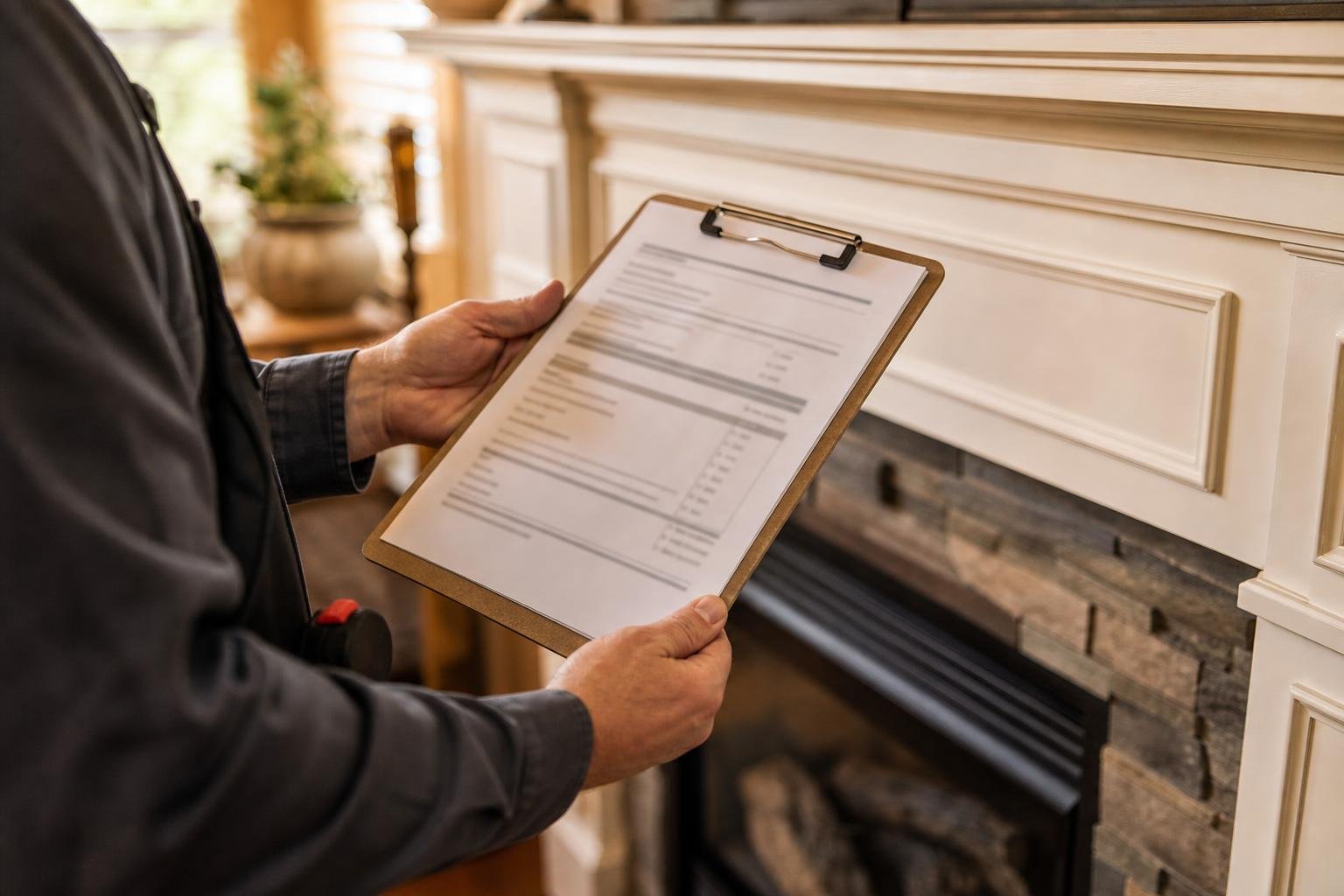
Written Findings & Estimate
You get a clear written report of what we found, with flat-fee pricing for any recommended repairs — before we do anything else.
Schedule Any Follow-Up
If repairs or a sweep are needed, we schedule at your convenience. If everything checks out, you’re done until next year.
How Much Does a Chimney Inspection Cost?
A routine Level 1 inspection is typically the most affordable option and covers the readily accessible parts of your chimney — the same visual check included free with our Winter Special sweep. A Level 2 inspection costs more because it adds a video camera scan of the full flue interior and is required after a chimney fire, before buying or selling a home, or after any major repair or relining work. Level 3 inspections, which can involve removing masonry to access hidden areas, are priced individually based on scope. Every inspection ends with a written report and flat-fee estimate for any recommended work, so you know the full cost before agreeing to anything beyond the inspection itself.
FAQs
We give you a written, flat-fee price before any inspection begins, based on which level of inspection your situation calls for. A routine Level 1 inspection is the least expensive; Level 2 and Level 3 cost more because they involve additional time, equipment, and access. You will never see a surprise charge added after the fact.
Most homeowners only need a Level 1 inspection for their annual checkup. You need a Level 2 inspection if you are buying or selling a home, just had a chimney fire, changed your fuel type or appliance, or experienced severe weather. Level 3 is reserved for cases where a Level 1 or 2 turns up signs of hidden damage that can only be confirmed by removing sections of masonry or interior chimney components.
A standard Level 1 inspection typically takes 30 to 45 minutes. A Level 2 inspection, which includes a full video camera scan of the flue interior along with attic, basement, and roof access points, usually runs closer to an hour to 90 minutes. Level 3 timelines vary depending on how much access work is required.