

Quick AnswerHomeowners with brick or masonry chimneys should have any visible cracking, crumbling mortar, or water staining addressed as soon as it appears, since these issues only get more expensive with time. Most chimneys need some form of repair every 5–10 years depending on age and weather exposure — your area’s freeze-thaw winters are especially hard on masonry.
What’s Included
Chimney damage almost always starts with water. Once it finds a way into brick, mortar, or the crown, freeze-thaw cycles do the rest of the work. Catching it early with the right repair keeps a small fix from turning into a full rebuild.
- Tuckpointing — we grind out deteriorated mortar joints to a consistent depth and repack them with fresh, color-matched mortar, restoring structural integrity and stopping water intrusion at the seams between bricks. Most tuckpointing jobs are completed in a single day, depending on how much of the chimney needs attention.
- Crown Repair — the crown is the sloped concrete cap at the very top of the chimney, and even hairline cracks let water pour directly into the masonry below. We clean the surface, seal or patch cracks with a flexible waterproof crown coating, and re-establish proper slope and overhang so water sheds away from the structure instead of into it.
- Flashing Repair — flashing is the metal seal where the chimney meets your roofline, and it’s one of the most common places for roof leaks to start. We re-seat, re-seal, or replace step flashing and counter-flashing so the joint is watertight again, usually in a few hours without disturbing the surrounding shingles.
- Waterproofing — we apply a vapor-permeable, breathable sealant to the exterior masonry that blocks liquid water from soaking in while still letting existing moisture escape from inside, which prevents the trapped-moisture damage that non-breathable sealants can actually cause. One application typically protects the masonry for several years.
- Damper Repair — we free up stuck dampers, replace rusted or warped damper plates, and reseal the frame so it closes tightly when not in use, which stops conditioned air from escaping up the flue and improves your home’s energy efficiency year-round.
Signs You Need This
- Water stains on the ceiling or wall near the chimney, which usually points back to failed flashing or a cracked crown
- Crumbling, cracked, or spalling brick and mortar visible on the exterior chimney structure
- A chimney that appears to be leaning, shifting, or separating slightly from the house
- A damper that’s rusted, stuck, or won’t seal tightly against the firebox opening
- Active water leaking into the firebox or down the interior flue walls during rain
Our Process

Call or Request an Estimate
Describe what you’re seeing and we’ll schedule a visit, usually within the week.
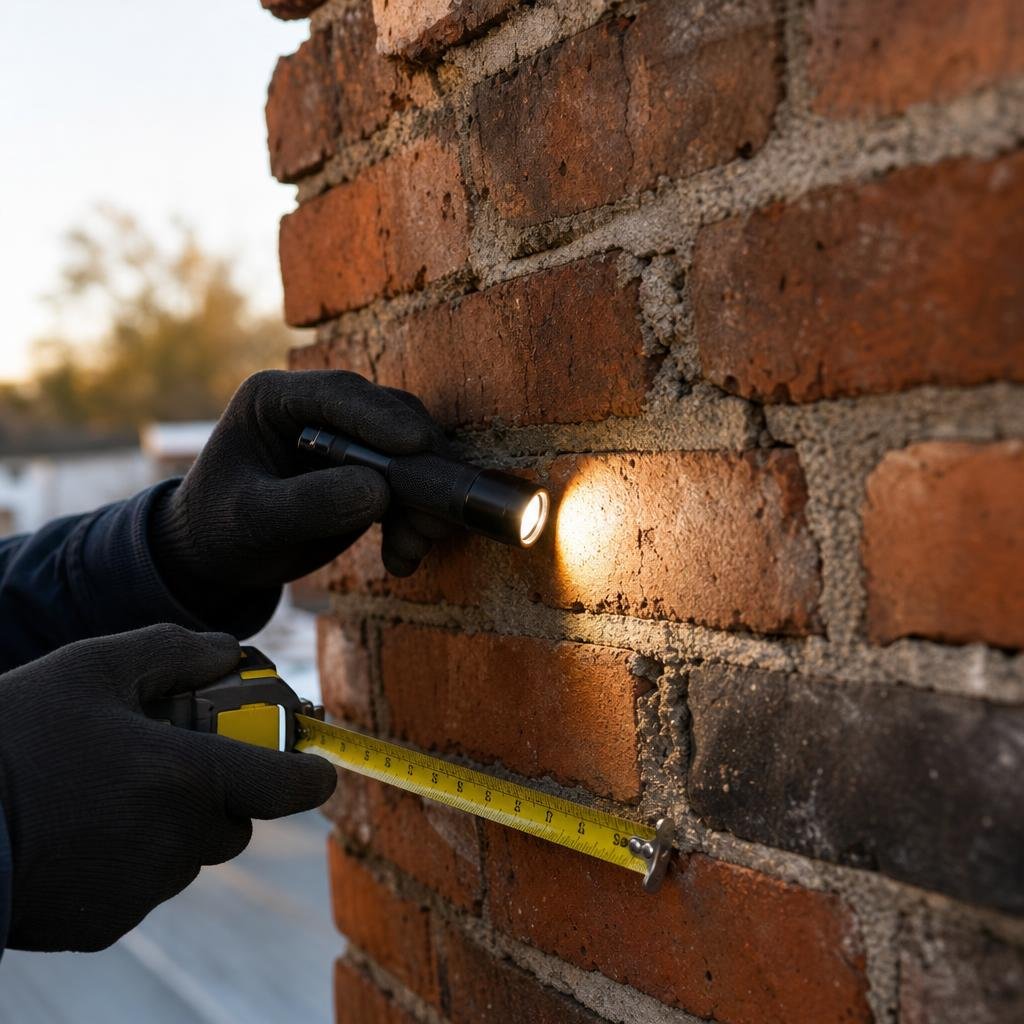
On-Site Diagnosis
Our technician identifies the source of the damage, not just the visible symptom.
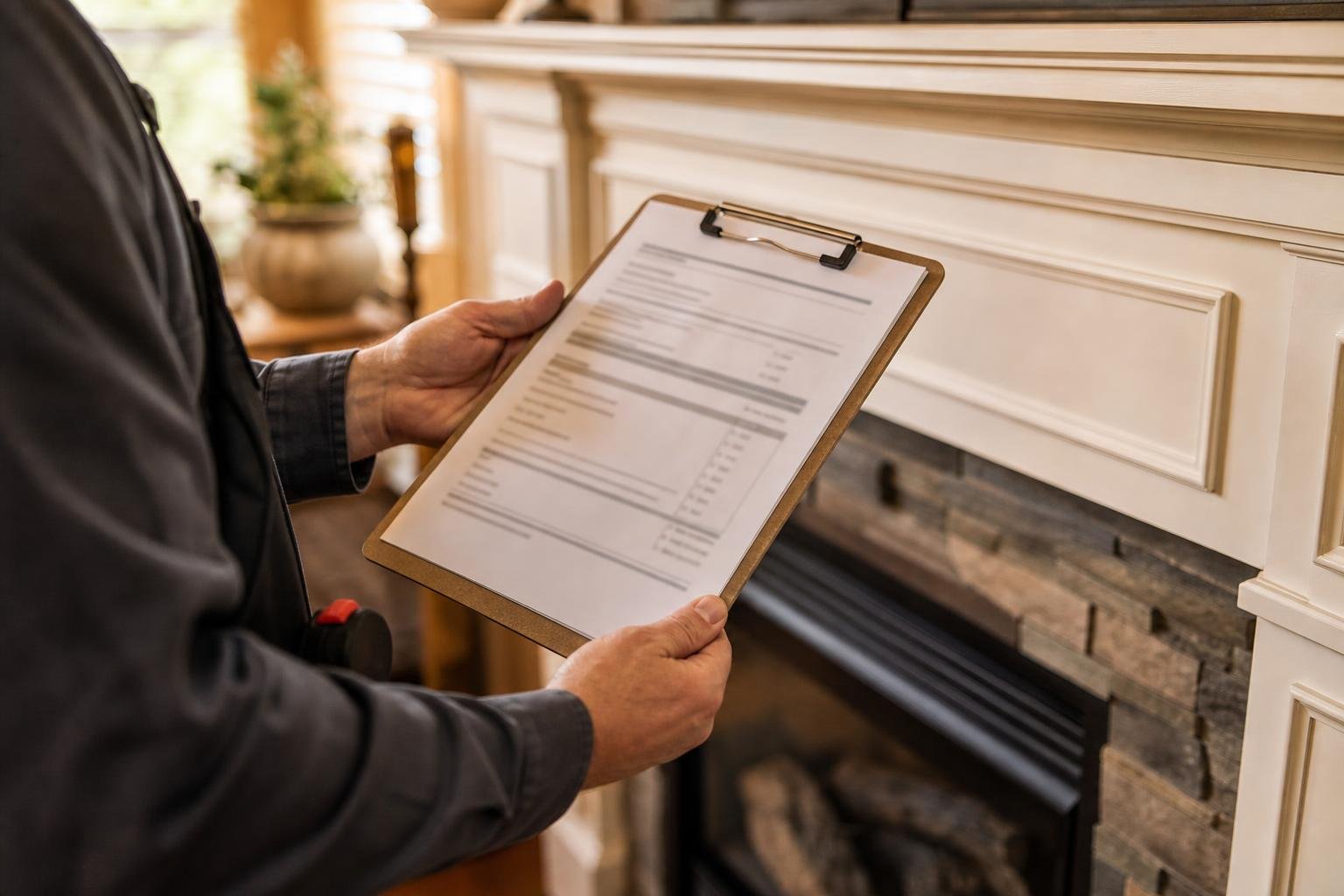
Written Flat-Fee Estimate
You approve the full cost in writing before any repair work begins — no surprises on the invoice.
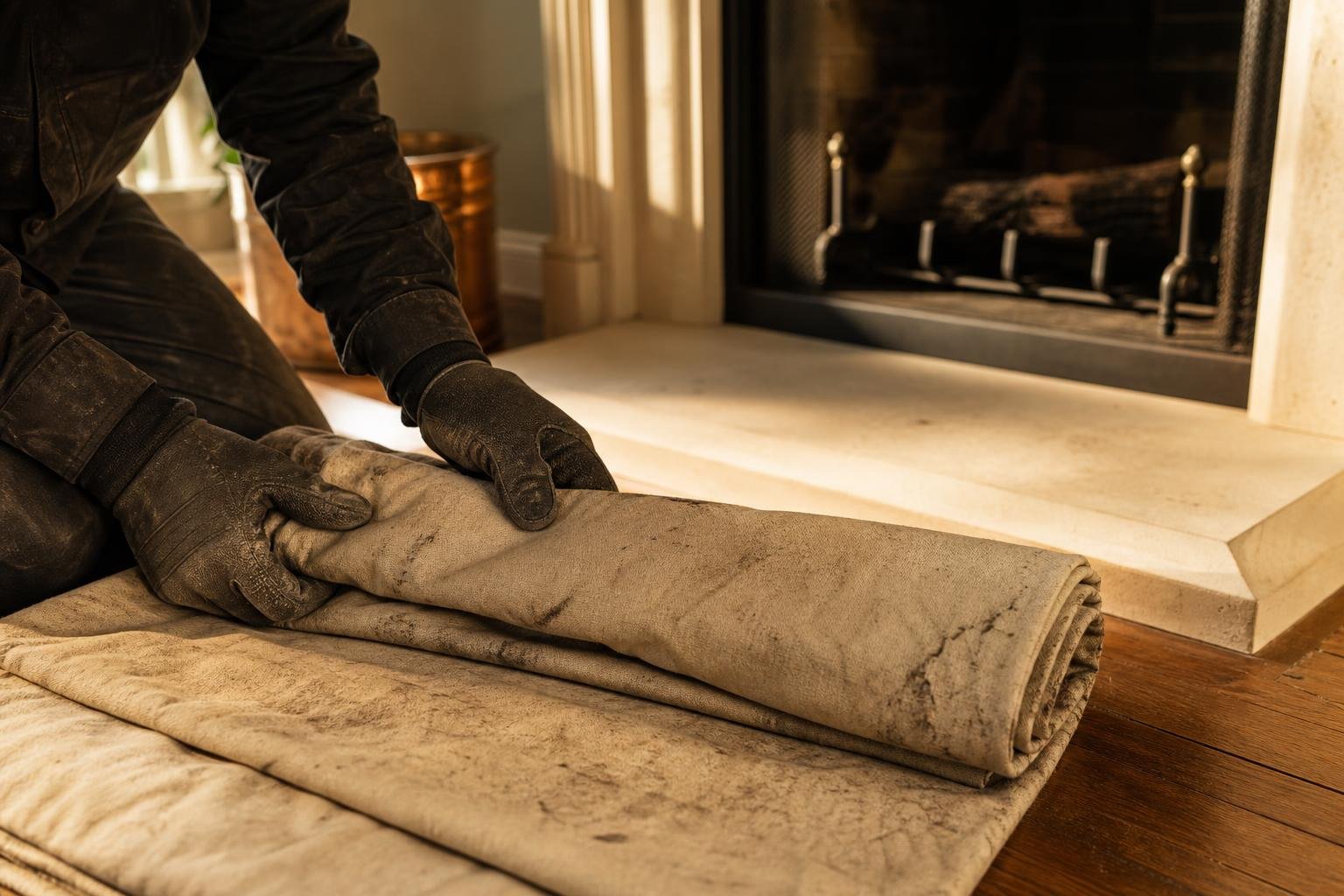
Repair & Clean-Up
We complete the work, protect your property with drop cloths, and clean up fully when done.
FAQs
It depends entirely on the repair, which is why we never quote a price over the phone. Our technician inspects the actual damage on site and gives you a written, flat-fee estimate before any work begins, so you know the full cost upfront with no surprise add-ons once the job is underway.
Smaller repairs like flashing repair or damper repair are often completed in a single visit, usually a few hours. Tuckpointing and crown repair can take a full day depending on the extent of the damage and the mortar or coating cure time required. Waterproofing typically needs a dry, mild-weather day and is done in one visit.
Most chimney damage, including cracked crowns, failing mortar joints, and leaking flashing, can be repaired without a full rebuild if it’s addressed before it spreads. We only recommend a rebuild when the structure has extensive brick deterioration, significant leaning, or foundation movement that repair alone can’t fix safely, and we’ll always explain why before recommending the larger job.