
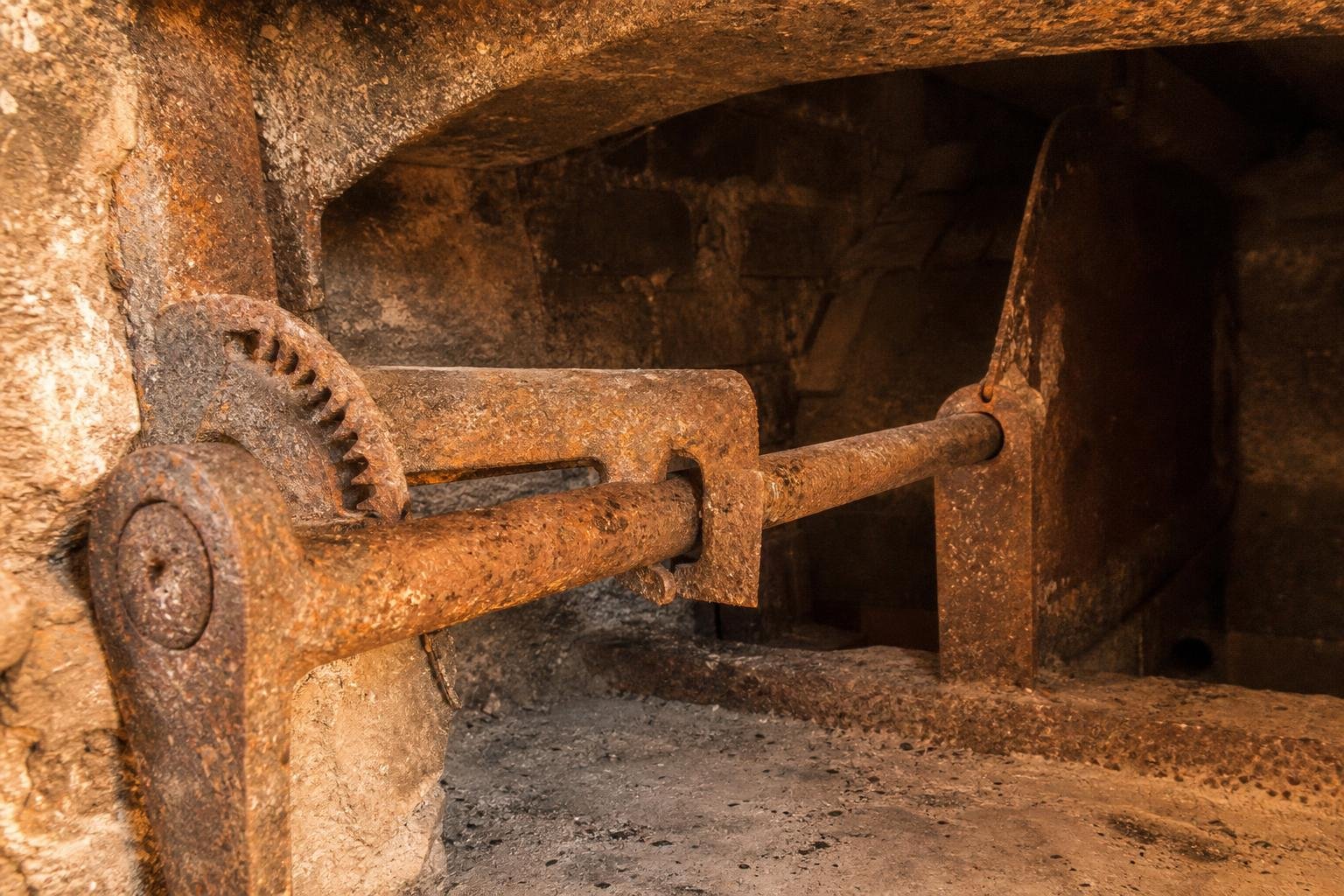
The damper is the metal plate near the base of your flue that's supposed to open fully when there's a fire going and seal shut tight the rest of the time. It's a simple mechanism, but it takes a beating — direct heat every time you burn a fire, moisture and temperature swings the rest of the year, and in older fireplaces, decades of that cycle with no maintenance at all. When it stops working properly, most homeowners don't notice right away. They just notice their energy bill creeping up, or a faint draft near the fireplace even with it closed.
We see this constantly across Cleveland, especially in older homes with cast iron or steel dampers that have never been serviced. A damper stuck halfway open lets conditioned air escape up the flue year-round, which adds up fast over a full heating or cooling season. A damper that won't open properly, on the other hand, can restrict how smoke and combustion gases vent during a fire — which is a comfort problem at best and a safety problem at worst.
Common Damper Failures We Fix
- Rust seizing the mechanism. Moisture in the flue causes rust to build up on the plate and hinge, freezing the damper in one position.
- Warped plate. Repeated heat cycles from years of fires can bend the metal enough that it no longer sits flush and seals when closed.
- Broken chain, handle, or rotary control. When the operating mechanism itself breaks, you lose the ability to open or close the damper at all, regardless of the plate's condition.
- Debris or creosote buildup. Sometimes the damper itself is fine, but soot, creosote flakes, or animal nesting material are physically blocking it from seating properly.
Repair vs. Replacement: What We Look At
Surface rust, a stiff hinge, or a bent chain are usually fixable without replacing anything — we clean, lubricate, or repair the mechanism and get it moving and sealing correctly again. But once a damper plate is badly warped, cracked, or rusted through, no amount of adjustment will get it to seal properly, and continuing to patch it just delays a replacement that's already needed. We check the whole assembly, tell you plainly which category yours falls into, and only recommend replacement when repair genuinely won't hold.
Get a Free Damper Repair Estimate
FAQs
The three we see most are rust seizing the plate or hinge so it won't move, warping from repeated heat cycles that keeps the damper from seating flush and sealing properly, and a broken chain, handle, or rotary mechanism that leaves you unable to open or close it at all. Any one of these can leave the damper stuck partway open, which lets conditioned air escape year-round.
It depends on the extent of the damage. Rust on the surface, a bent chain, or a stiff hinge can usually be cleaned, freed up, or repaired without replacing the whole unit. But a damper plate that's badly warped, cracked, or corroded through no longer seals no matter how it's adjusted, and at that point a full replacement is the more honest and cost-effective recommendation.
It can be. A damper that won't close lets outside air, pests, and moisture into the flue and firebox when the fireplace isn't in use, and one that won't open all the way restricts how smoke and combustion gases vent during a fire, which can push smoke back into the room. Either failure mode is worth fixing rather than working around.