
Quick AnswerAnyone with a wood-burning fireplace or stove needs a sweep roughly once a year, following the industry guideline of cleaning once creosote buildup reaches about 1/8 inch. Frequent burners, wood stove owners, and dryer vents used daily may need attention more often. If you can’t remember your last sweep, that’s usually a sign it’s overdue.
What’s Included
Every cleaning job uses HEPA-filtered vacuum equipment and negative-air containment to keep soot and dust contained to the work area instead of drifting into your living space, along with drop cloths to protect your floors and furniture.
- Chimney Sweeping — a full brush-and-vacuum cleaning of the flue, smoke chamber, and firebox using rotary or hand-brush equipment sized to your flue, paired with HEPA-filtered containment so soot stays out of your home. A standard sweep takes about 45 minutes to an hour and follows the industry guideline of sweeping once creosote buildup reaches roughly 1/8 inch.
- Fireplace Cleaning — we clear built-up ash, soot, and residue from your firebox and hearth, wipe down glass doors and surrounding masonry, and check that the damper and smoke shelf are free of debris so your fireplace looks and burns like new.
- Wood Stove Cleaning — specialized cleaning for wood-burning stove and insert systems, including the stovepipe connector, baffle, and catalytic combustor where applicable, since stove flues accumulate creosote differently than open masonry fireplaces and need equipment sized to fit.
- Dryer Vent Cleaning — we clear lint buildup from the full duct run between your dryer and its exterior vent, reducing fire risk and cutting drying times, since a clogged vent forces your dryer to run longer and hotter than it should.
- Creosote Removal — heavy, glazed, or third-degree creosote requires professional-grade chemical treatment and mechanical removal beyond a routine sweep, since this hardened form can’t be brushed away safely and is the most combustible stage of buildup.
Signs You Need This
- You notice a strong, persistent smoky or acrid odor from the fireplace, especially in humid weather
- It’s been over a year, or you can’t remember the last time your chimney was swept
- You see flaky, tar-like, or shiny black buildup inside the firebox or flue opening
- Your dryer is taking noticeably longer to dry a full load than it used to
- You recently had a chimney fire, even a small one, which leaves behind hazardous residue that needs professional removal
Our Process

Schedule Your Sweep
Call or book online — we’ll confirm a time and let you know which service fits your setup.
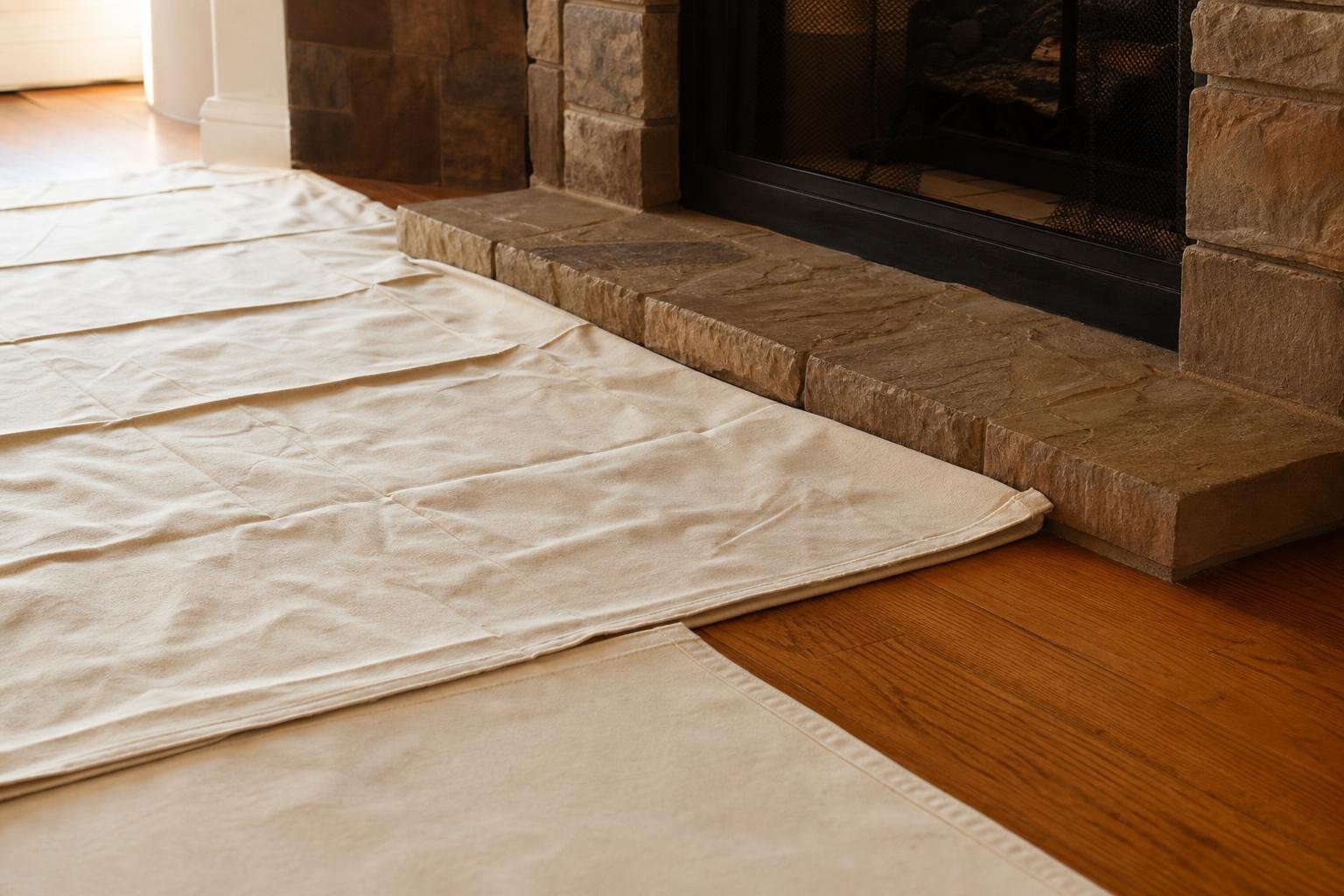
Visual Check & Setup
We inspect the flue for buildup type and severity, then set up drop cloths and containment equipment.
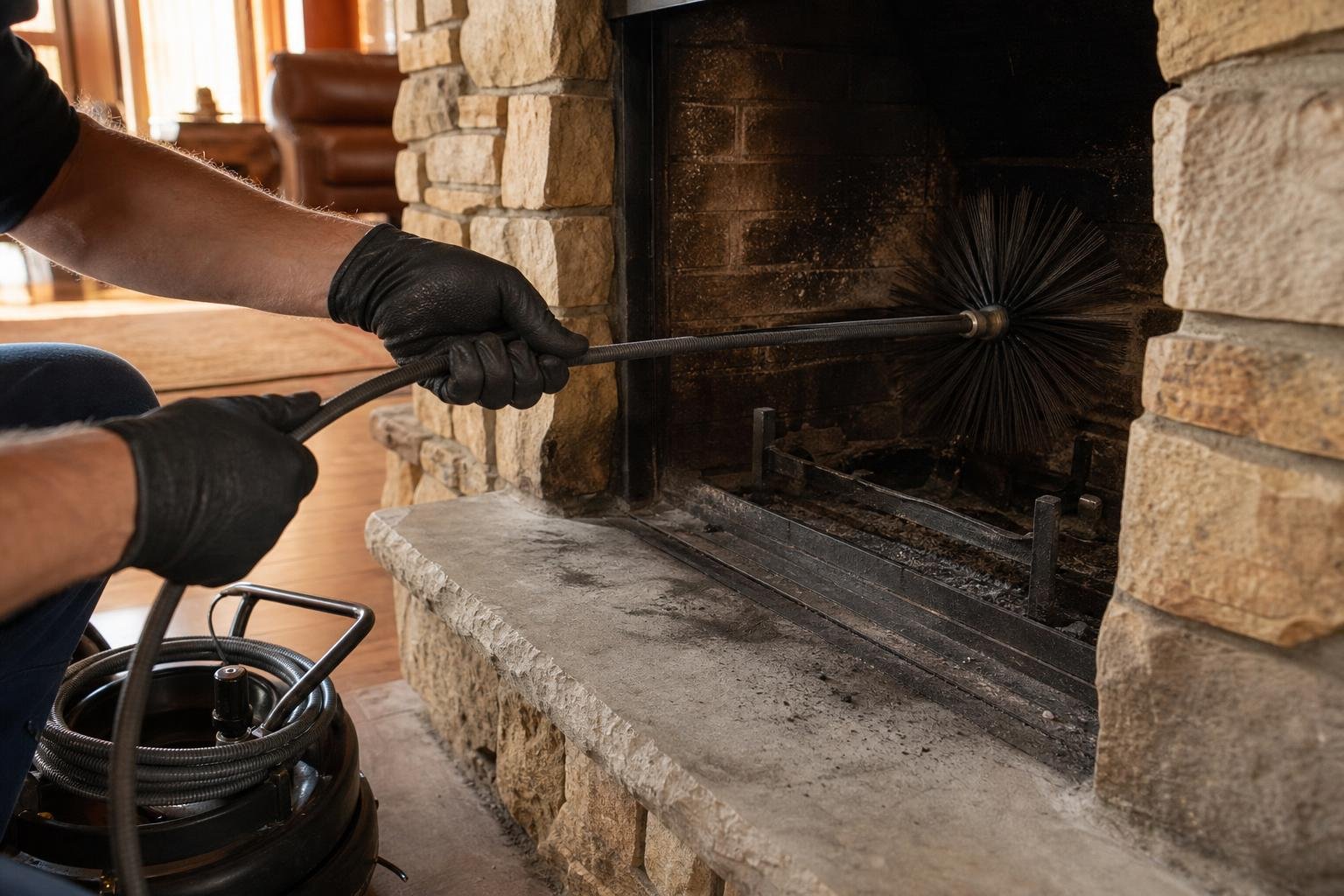
HEPA-Filtered Sweep
We brush and vacuum the flue, firebox, or vent using dust-contained equipment so nothing escapes into your home.

Final Walkthrough
We show you the results, flag anything worth watching, and clean up completely before we leave.
How Much Does a Chimney Sweep Cost?
Our Winter Special PCR chimney sweep, which bundles a full sweep with a complimentary inspection, runs a flat $199 with no hidden add-ons. Outside of that special, sweeping cost depends on how much creosote has built up and whether extras like fireplace cleaning, wood stove cleaning, or heavy creosote removal are needed — each priced with a written flat-fee estimate after our technician's initial visual check, so you approve the number before any work happens.
FAQs
Industry guidelines recommend sweeping once creosote buildup reaches about 1/8 inch, which for most regular wood-burning fireplaces works out to once a year, typically before the start of burning season. If you burn frequently, burn unseasoned wood, or use a wood stove, you may need it more often. Occasional gas fireplace users can often go longer between sweeps, though we still recommend an annual inspection.
It shouldn’t be. We use HEPA-filtered vacuum equipment and negative-air containment to keep soot and dust from escaping into your home while we work, along with drop cloths to protect your hearth and flooring. You should not find any ash or soot residue in your living space when we’re done.
Our Winter Special PCR chimney sweep, which includes a full sweep and a complimentary inspection, is a flat $199 with no hidden add-ons. Fireplace cleaning, wood stove cleaning, dryer vent cleaning, and heavy creosote removal are each priced with a written flat-fee estimate up front, based on what our technician finds during the initial visual check.
Look for professional certification, a written flat-fee estimate before work starts, and local reviews from your specific city — not just a national chain. We’re a family-owned crew based in Cleveland and serve Parma, Lakewood, Strongsville, Euclid, and the rest of Greater Cleveland directly, so you’re always working with a local, background-checked technician rather than a subcontractor dispatched from out of state.