
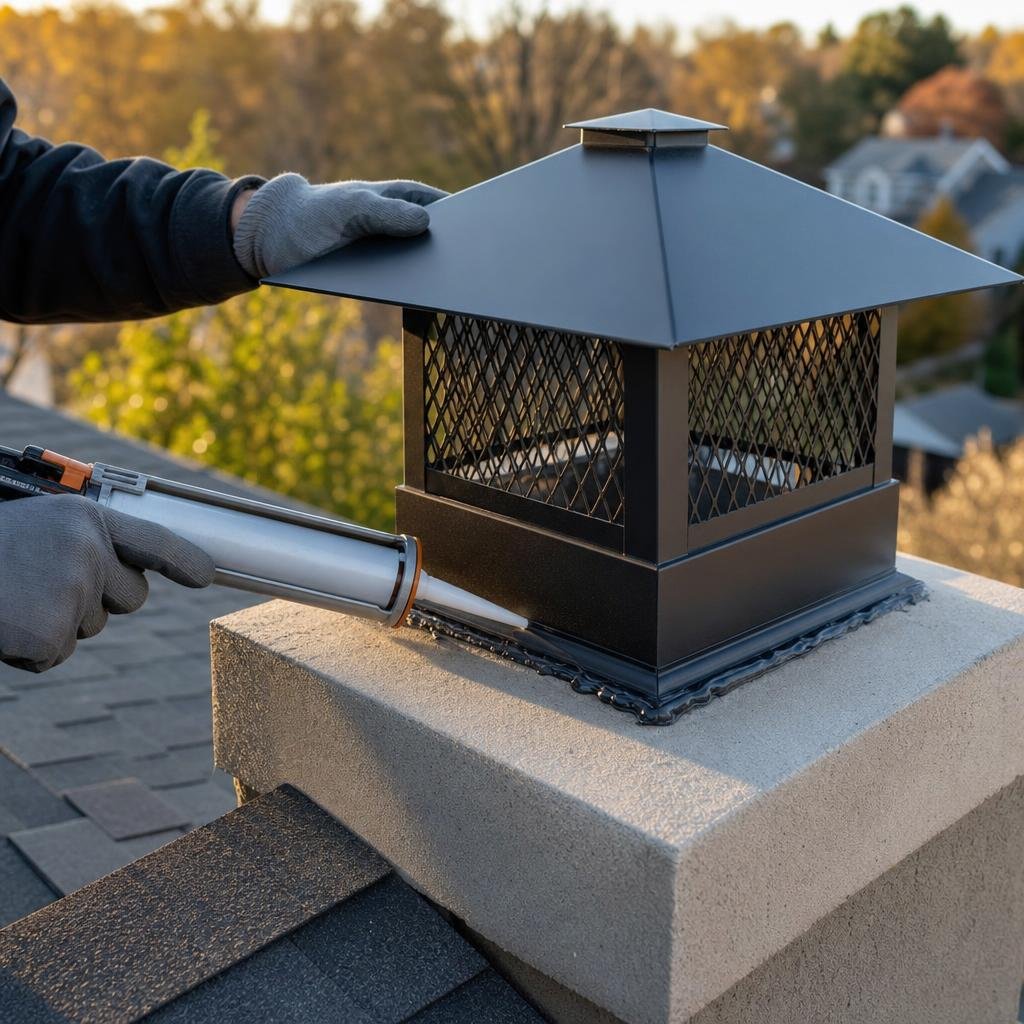
A damper that won't fully close is more than a fireplace nuisance — it's an open flue letting conditioned air escape twelve months a year, not just when there's a fire going. When a damper has rusted through, warped, or simply worn out, the right fix is a full replacement rather than another patch job. This is different from a damper repair, which adjusts, cleans, or re-gaskets a damper that's still fundamentally sound; installation means putting in new hardware built to seal properly for years to come.
We handle damper installation on both historic homes throughout Cleveland's older neighborhoods and newer construction across the surrounding Cuyahoga County suburbs, and in both cases the goal is the same: a damper that closes fully, seals tightly, and holds up to daily use without binding or rusting shut.
What's Included
- On-site assessment. An honest look at whether your existing damper needs replacement or would be fine with a repair instead.
- New damper hardware. A top-sealing or traditional throat damper sized and installed correctly for your flue.
- Removal of the old unit. Safe removal and disposal of the rusted or failed damper being replaced.
- Seal & operation check. Confirming the new damper opens smoothly and closes with a complete seal before we call the job done.
Top-Sealing vs. Traditional Throat Dampers
A top-sealing damper installs at the very top of the flue and closes against a rubber gasket, which gives the tightest seal available and doubles as a chimney cap in the process — it's the upgrade we recommend most often when energy efficiency is the priority. A traditional throat damper sits just above the firebox and seals metal-on-metal; it's simpler, generally more affordable, and a familiar match for homes that have always had one. Either way, replacement only makes sense when the damper is actually failing. If yours just needs adjustment, a new gasket, or cleaning, our damper repair service covers that lighter fix instead.
Get a Free Damper Installation Estimate
FAQs
If the damper is rusted through, badly warped, or won't seal even after adjustment or a new gasket, replacement is usually the better long-term fix than another repair. We'll inspect the damper first and give you an honest recommendation — if a repair will genuinely solve the problem, we'll say so instead of upselling a full installation.
A top-sealing damper installs at the very top of the flue and seals with a rubber gasket, doubling as a cap and giving the tightest possible seal against drafts and rain. A traditional throat damper sits just above the firebox using a metal-on-metal plate seal, which is simpler and often more affordable. We'll recommend whichever fits your chimney, fireplace use, and budget.
It can make a real difference. A chimney is essentially a large hole to the outside, and a damper that doesn't seal tightly lets conditioned air escape year-round, not just while a fire is burning. A properly sealing top-sealing damper in particular cuts that air loss significantly, which homeowners often notice on summer cooling bills as much as winter heating bills.