
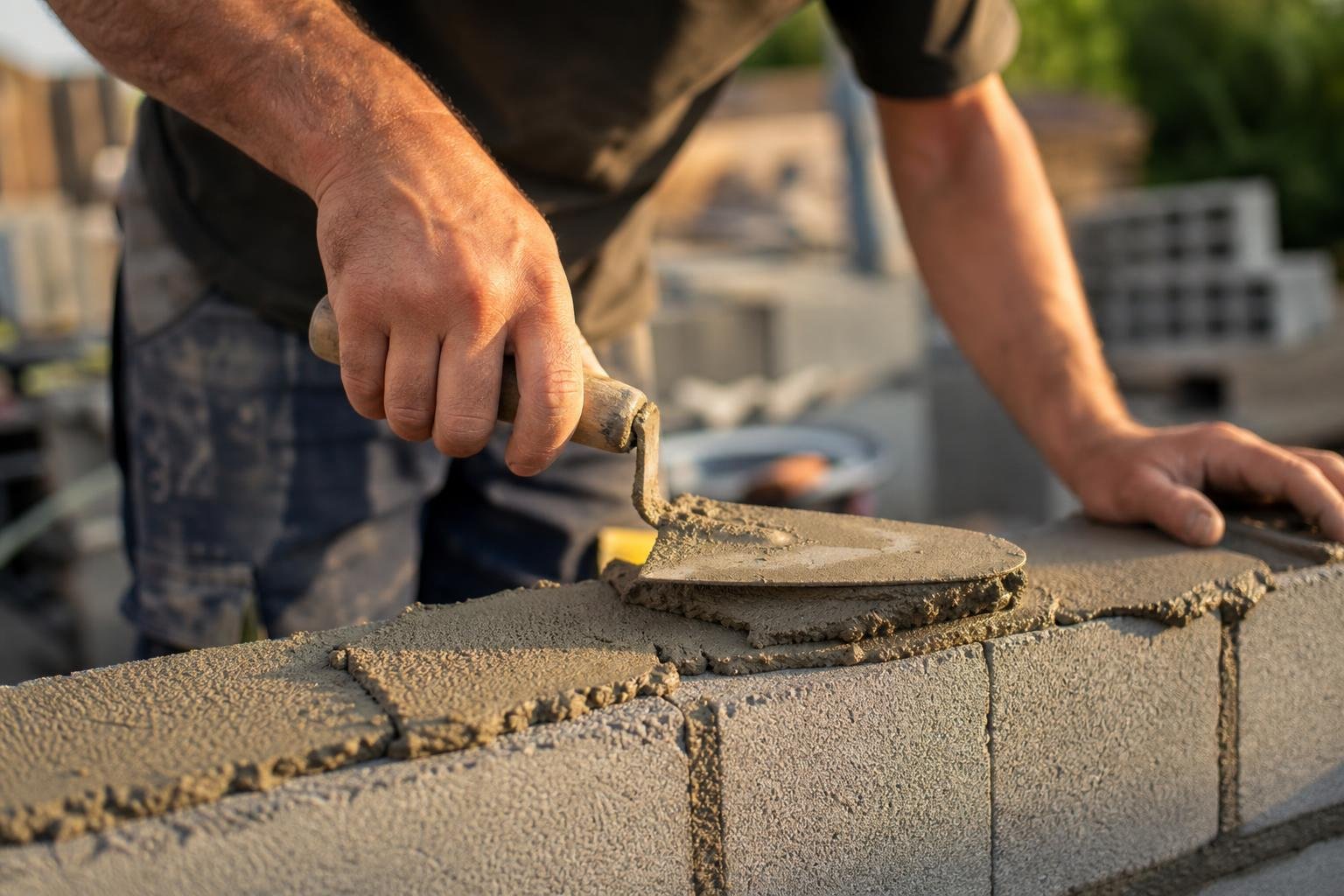
Quick AnswerChimneys with widespread mortar failure, a badly cracked crown, or visible leaning or settling need masonry rebuild work rather than a simple patch. Most masonry chimneys in Greater Cleveland should get a close visual check every year or two, since freeze-thaw cycles here are hard on brick and mortar.
What’s Included
- Crown Rebuild. The crown is the sloped concrete or mortar cap at the very top of the chimney that sheds rainwater away from the flue and brick below. When a crown has more than a hairline crack, we demolish it down to the brick and pour a full replacement with proper 2-to-3-inch overhang and at least a quarter-inch-per-foot slope, reinforced with wire mesh, so water sheds off the sides instead of pooling and seeping into the masonry.
- Full Chimney Rebuild. When deterioration goes beyond what repointing or a crown fix can solve — often from the roofline up — we take the structure down to sound masonry and rebuild it course by course with brick matched as closely as possible to your home’s existing color, size, and mortar tone, restoring both the structural integrity and the original look.
- Brick Repointing. We grind out failed, crumbling mortar joints across the full chimney structure to a consistent depth and pack in fresh mortar matched to the original color and profile, which restores structural strength and closes the gaps that let water work its way behind the brick face.
- Foundation Repair. When a chimney is visibly leaning, separating from the house, or settling unevenly, the problem is usually below grade at the footing. We evaluate the foundation, and depending on the extent of settling, either underpin and stabilize the existing footing or, in more severe cases, rebuild the base entirely before any brickwork above it is addressed.
Signs You Need This
- Multiple cracks or missing chunks in the crown at the top of the chimney
- Mortar joints that are crumbling, recessed, or missing between multiple courses of brick
- Bricks that are cracked, flaking, or spalling — popping off in chunks, especially after freezing weather
- A chimney that appears to be leaning, tilting, or pulling away from the house
- White, chalky staining (efflorescence) spreading across the exterior brick
Our Process
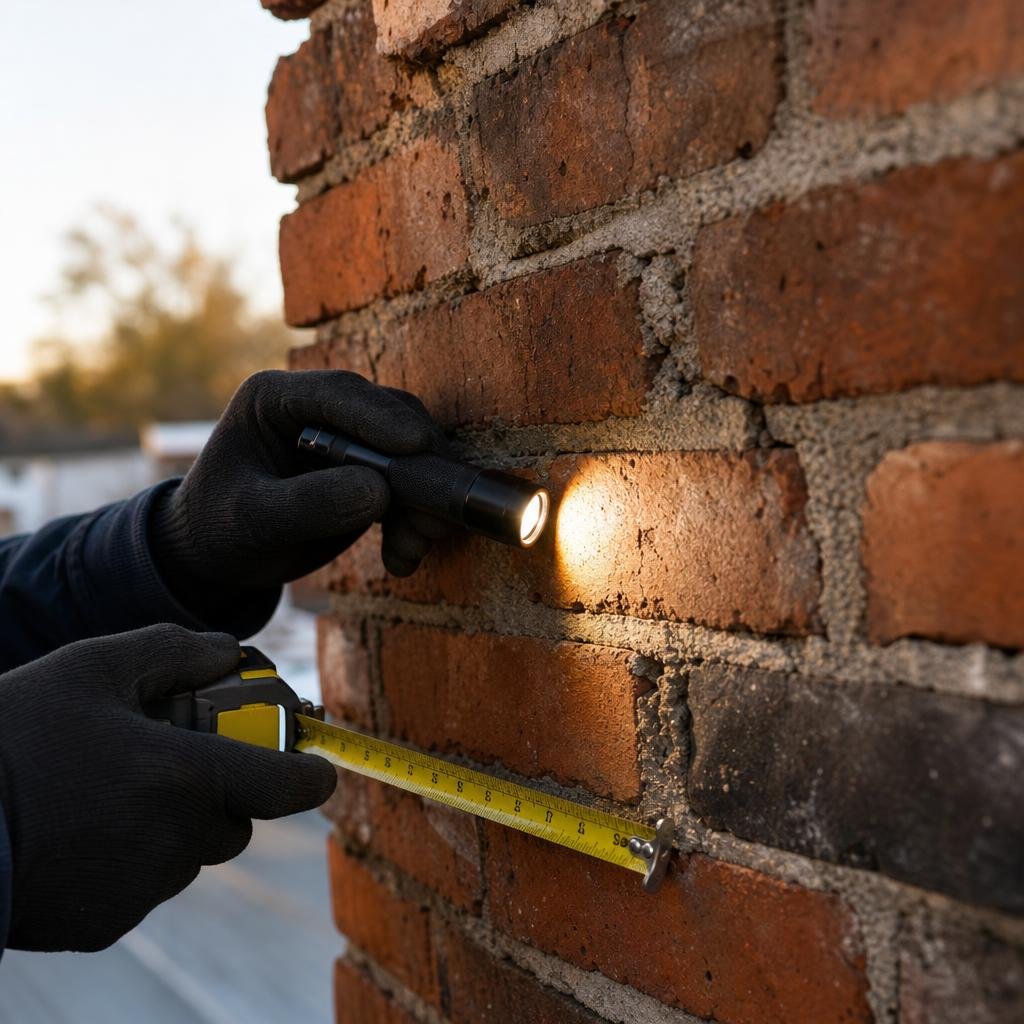
Structural Assessment
We inspect the crown, brick, mortar joints, and foundation to determine the full scope of the damage.
Written Estimate
A flat-fee, written quote spells out exactly what will be repaired or rebuilt before we start.
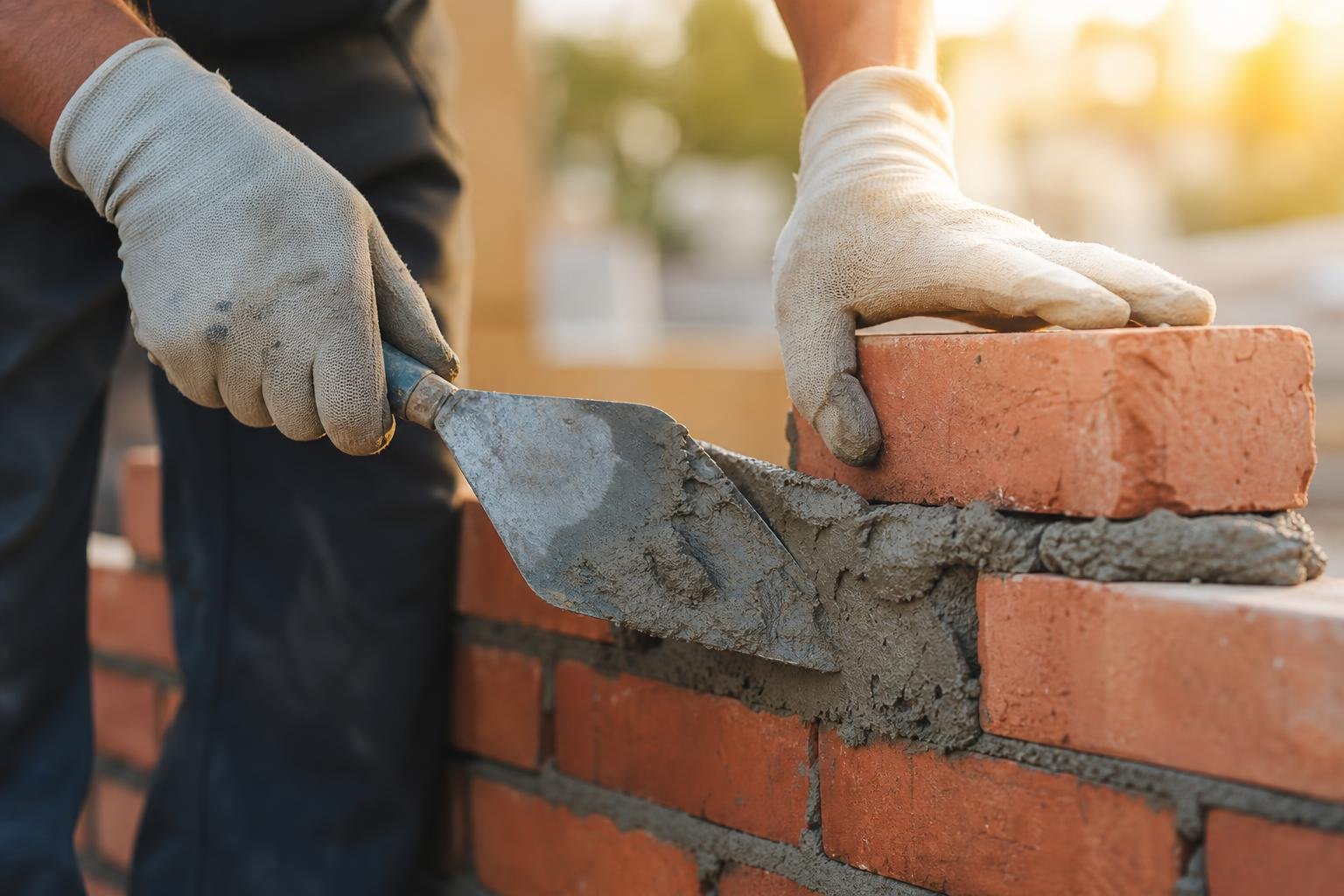
Brick Matching
We source brick and mortar to match your home’s existing color, size, and profile as closely as possible.
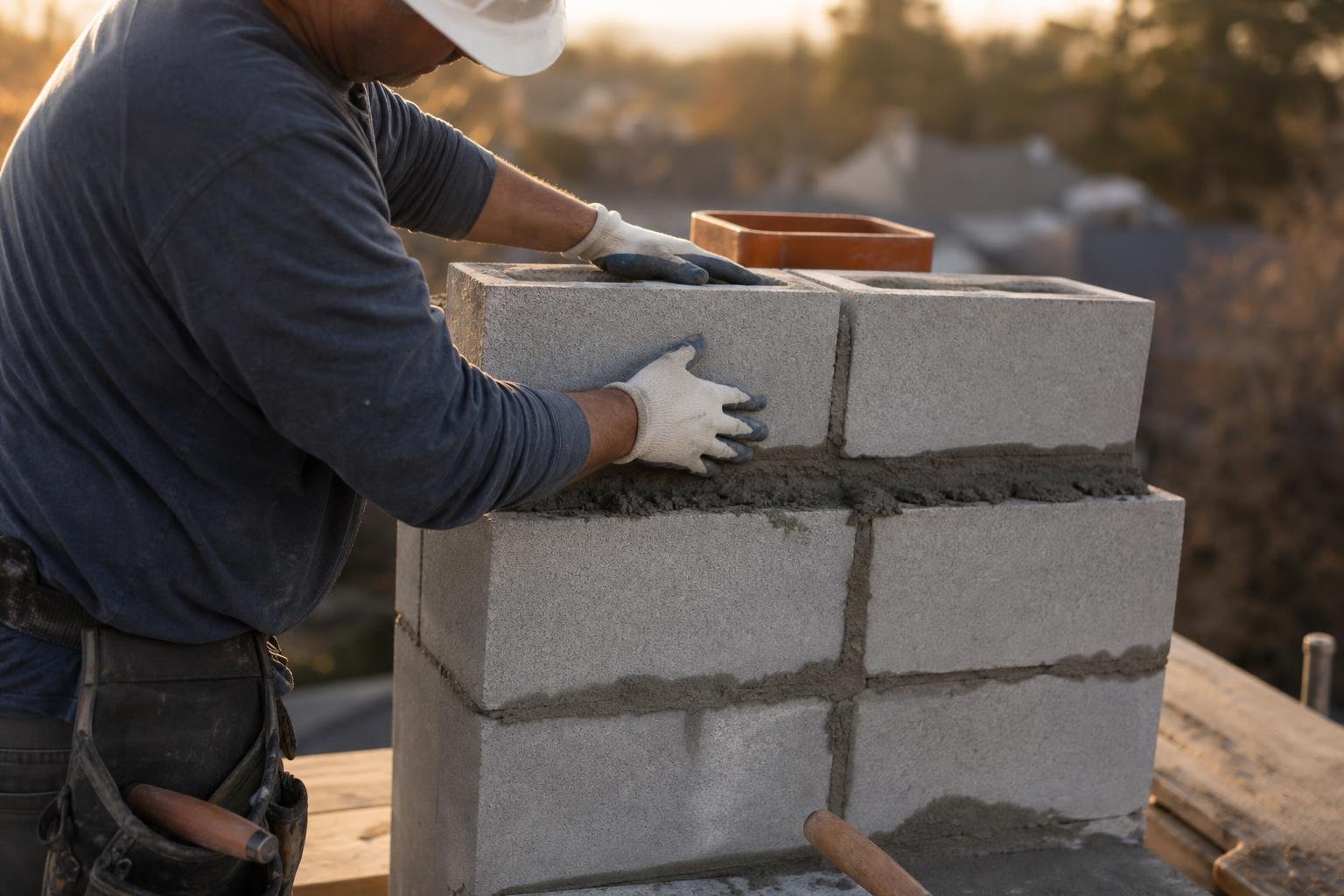
Rebuild & Finish
We rebuild course by course, weatherproof the finished masonry, and leave the site clean.
FAQs
A single hairline crack that hasn’t let water reach the chimney interior can often be sealed. But once the crown shows multiple cracks, chunks missing, or a wash that’s lost its slope, patching won’t hold up to another freeze-thaw cycle, and a full rebuild with proper overhang and slope is the more reliable fix.
We match brick color, size, and mortar color as closely as possible for repointing and partial rebuilds, and can source reclaimed or custom-matched brick for larger sections. On a full rebuild we’ll walk you through brick options before work starts, since exact matches aren’t always available for older or discontinued brick styles.
Very. A chimney that’s visibly leaning, tilting, or pulling away from the house usually means the foundation has settled or failed, and it can continue to move or even collapse. This isn’t a wait-and-see repair — it needs a structural evaluation as soon as possible.